

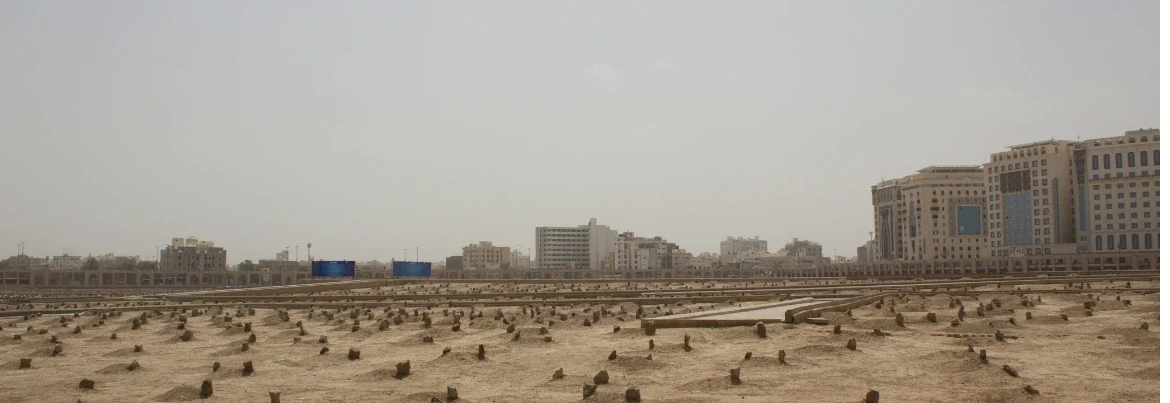
Jannat ul Baqee: History, Significance, and Spiritual Importance in Islam
Jannat ul Baqee is one of the most sacred cemeteries in Islamic history. Located in the holy city of Madinah, Saudi Arabia, it is the resting place of many of the closest companions and family members of Prophet Muhammad ﷺ. For Muslims around the world, Jannat ul Baqee is not just a burial ground — it is a place filled with deep spiritual meaning, history, and emotional connection.
The name “Jannat ul Baqee” means “The Garden of Baqee.” The word Baqee refers to the land that once had thorny trees and natural vegetation. Over time, this land became the primary cemetery of Madinah and a symbol of early Islamic heritage.
Visiting Jannat ul Baqee reminds Muslims of the temporary nature of life and the importance of preparing for the hereafter. It also connects believers to the early days of Islam and the sacrifices made by the Prophet’s companions.
The Historical Background of Jannat ul Baqee
Jannat ul Baqee dates back to the time of Prophet Muhammad ﷺ. When the Prophet migrated from Makkah to Madinah (Hijrah), the Muslim community began to grow rapidly. With the passing of early Muslims, a designated burial place became necessary. The Prophet ﷺ selected this area as the cemetery for the believers.
The first person buried in Jannat ul Baqee was As’ad bin Zurarah (رضي الله عنه), a respected companion of the Prophet. Shortly afterward, many other companions and family members were laid to rest there.
The Prophet ﷺ frequently visited Jannat ul Baqee. He would pray for the people buried there and remind his companions about the reality of death and the mercy of Allah. His visits established the importance of remembering the deceased and making dua for them.
Over centuries, Jannat ul Baqee expanded and became one of the most honored cemeteries in the Muslim world.
Who Is Buried in Jannat ul Baqee?
Jannat ul Baqee is the resting place of thousands of important figures in Islamic history. Among them are:
-
The wives of Prophet Muhammad ﷺ (Ummahat al-Mu’minin)
-
His daughters, including Fatimah (رضي الله عنها) according to many narrations
-
His son Ibrahim (رضي الله عنه)
-
Many grandchildren and close relatives
-
Thousands of Sahaba (companions of the Prophet)
-
Prominent scholars and early Muslims
Because of this, Jannat ul Baqee is often described as a cemetery of honor. Each grave represents a story of sacrifice, faith, and devotion to Islam.
For visitors, walking through Jannat ul Baqee is like walking through living history.
The Spiritual Significance of Jannat ul Baqee
Jannat ul Baqee holds immense spiritual value in Islam. It teaches several important lessons:
1. Reminder of the Hereafter
Islam encourages believers to remember death as a way to stay humble and focused on good deeds. Visiting graves softens the heart and strengthens faith.
2. Connection to the Prophet ﷺ
Since the Prophet himself visited and prayed here, Muslims feel a strong emotional and spiritual link to this place.
3. Honor of the Companions
The people buried in Jannatul Baqee were among the best generations of Islam. Reflecting on their lives inspires Muslims to improve their own character and worship.
4. Unity of the Ummah
Jannat ul Baqee represents the shared history of Muslims across the world. It reminds us that Islam is built on brotherhood, sacrifice, and faith.
The Simplicity of the Graves
One unique aspect of Jannatul Baqee is the simplicity of the graves. Unlike decorative tombs found in some cultures, the graves are simple mounds of earth marked modestly.
This simplicity reflects an important Islamic principle: equality in death. No matter a person’s wealth or status in this world, everyone returns to the earth in the same way.
The simplicity also teaches humility and reminds visitors that what truly matters is a person’s deeds, not worldly possessions.
Visiting Jannat-ul-Baqee: Etiquette and Sunnah
Visiting graves in Islam is encouraged when done with the right intention. When Muslims visit this grave, they follow certain etiquettes:
-
Greet the inhabitants of the graves with peace
-
Make dua for forgiveness and mercy
-
Reflect on the temporary nature of life
-
Avoid actions that contradict Islamic teachings
The Prophet ﷺ taught a beautiful dua to recite when visiting cemeteries:
“Peace be upon you, O dwellers of this place, believers and Muslims. Indeed, we will join you, if Allah wills…”
This dua reminds believers that life is short and that we will eventually return to Allah.
Preserving Islamic History Through Learning
Understanding places like Jannat ul Baqee requires knowledge of Islamic history, the life of the Prophet ﷺ, and the stories of his companions. Sadly, many Muslims grow up without learning these details in depth.
That is why learning the Quran and Islamic studies is essential. When children and adults study Islam properly, they develop a stronger emotional connection with sacred places and events.
Our online Quran tutoring programs aim to make Islamic education accessible to everyone. Through one-on-one classes, qualified teachers help students learn Quran recitation, Tajweed, and Islamic history in a simple and engaging way. By teaching the next generation, we preserve the legacy and keep our spiritual heritage alive.
Changes to Jannat ul Baqee Over Time
Throughout history, Jannat ul Baqee has undergone several changes. In earlier centuries, some structures were built over graves. Later, these structures were removed to preserve the Islamic principle of simplicity and avoid practices that might lead to exaggeration in honoring graves.
Today, Jannat ul Baqee remains a protected historical and religious site. It is visited by millions of Muslims every year who come to Madinah for Hajj and Umrah.
Despite changes, its spiritual significance remains unchanged. It continues to be a silent witness to the earliest days of Islam.
Emotional Impact on Visitors
Many pilgrims describe visiting Jannat ul Baqee as a deeply emotional experience. Standing near the graves of the Prophet’s family and companions creates a powerful sense of closeness to Islamic history.
Visitors often feel:
-
Humility before Allah
-
Gratitude for the sacrifices of early Muslims
-
Motivation to improve their faith
-
Awareness of the temporary nature of worldly life
These emotions can become a turning point in a person’s spiritual journey.
Lessons Jannat ul Baqee Teaches Muslims
Jannat ul Baqee is not only a historical site — it is a teacher. It teaches:
-
The reality of death
-
The importance of good deeds
-
The value of humility
-
The power of faith and sacrifice
-
The equality of all humans before Allah
These lessons are timeless and relevant for every generation.
Conclusion
Jannat ul Baqee stands as one of the most sacred landmarks in Islamic history. It connects Muslims directly to the Prophet Muhammad ﷺ, his family, and his companions. It is a place of remembrance, reflection, and spiritual awakening.
By learning about Jannat ul Baqee, Muslims strengthen their love for Islam and gain a deeper appreciation for the sacrifices that shaped the faith. Visiting it reminds believers that life is temporary and that true success lies in preparing for the hereafter.
May Allah grant mercy to all those buried in this grave and guide us to live lives worthy of joining the righteous. Ameen.
