

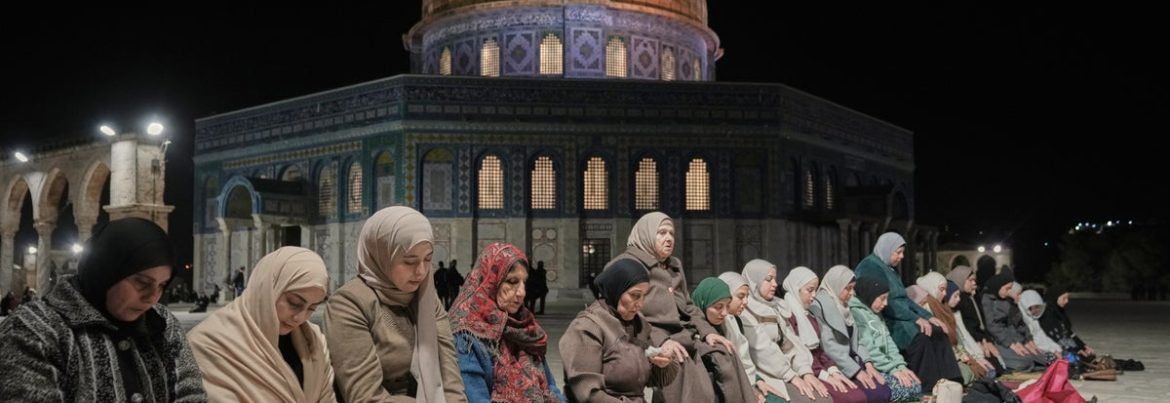
Why Do Muslims Fast on Ashura? Benefits and Islamic Significance
The Day of Ashura is one of the most significant days in the Islamic calendar. It is observed on the 10th day of Muharram and carries deep historical, spiritual, and religious importance for Muslims all over the world. It is a day associated with gratitude, remembrance, repentance, patience, and devotion to Allah. For many Muslims, fasting on Ashura is a highly recommended act of worship (Sunnah). Although not obligatory, this act holds immense rewards and also serves as a golden opportunity to seek forgiveness from the Creator and strengthen one’s faith.
Many Muslims plan a soul-enriching journey of Umrah during the sacred month of Muharram to start the new Islamic year with spiritual reflection and prayers. That is why the demand for all-inclusive Umrah Packages is always on the rise in Muharram. But why do devotees fast on the Day of Ashura, and what are its leading benefits? Read this article to explore more valuables!
Understanding What Ashura Actually Is
Ashura is derived from an Arabic word, ‘Asharah’, meaning ten, because it falls on the 10th day of Muharram. Muharram is one of the four divine months mentioned in the Holy Book of the Quran. Muslims are encouraged to increase the acts of worship, prayers, and supplications during this month. They should do righteous deeds to get closer to Allah Almighty. Ashura has been recognised as a blessed day since the time of earlier prophets, long before the advent of Prophet Muhammad PBUH. So, we can clearly understand the importance of this sacred day.
Insights Into the Islamic Significance of Ashura
Ashura holds profound significance for Muslims. It commemorates one of the greatest miracles ever recorded in the history of Islam. Here is a brief list of miracles that happened on this day.
- Allah Almighty split the Red Sea to save Prophet Musa (A.S) as well as the Children of Israel, allowing them to cross safely while the Pharaoh and his army were drowned.
- One of the greatest miracles that occurred on the Day of Ashura is that when the heavy floodwaters receded, the ark of Prophet Nuh (A.S) successfully landed on Mount Judi.
- Prophet Ibrahim (A.S) was born on this special day in Muharram. He was miraculously saved when Allah commanded the blazing fire of King Nimrod to become cool and safe.
- Prophet Yusuf (Joseph) (A.S) was pulled from the well on this day, where he was cast by his brother and later miraculously reunited with his father, Prophet Yaqub (Jacob) (A.S).
There are many other events related to prophets that happened on Ashura. It shows how Ashura became the day of Thanksgiving to Allah for His mercy and victory granted to the believers.
Fasting on Ashura: Leading Benefits and Rewards
As we discussed earlier, Ashura holds great importance in the hearts of Muslims. They tend to spend this day by immersing themselves in immense acts of worship, prayers, and reflection. Some even plan a pilgrimage with their loved ones during the divine month of Muharram. And that is the leading reason behind the increasing popularity of Family Umrah Packages from UK during this month. Fasting on the Day of Ashura is also very common among Muslims. However, both Shia and Sunni have different perspectives on that. Let’s have a closer look at it!
Sunni Observance: Primarily observed as a day of thanksgiving and fasting in gratitude for the salvation of the Prophet Musa (A.S). The Holy Prophet PBUH stated that fasting on the Day of Ashura expiates the sins of the past year. That is why Sunnis prefer fasting on this day.
Shia Observance: Observed as a profound day of mourning and remembrance for the martyrdom of Imam Hussain ibn Ali, who was the grandson of the Prophet Muhammad PBUH, at the Battle of Karbala in 680 AD. His sacrifice is viewed as the ultimate stand for resilience and justice against tyranny. This is exactly how Shias commemorate this holy day.
A Look at the Ultimate Benefits of Fasting on Ashura
Now, let’s just talk about the ultimate benefits and rewards fasting on the Day of Ashura brings.
- Expiates the minor sins of the previous year by the permission of Allah Almighty
- Fasting on the Day of Ashura develops patience, self-repentance, and self-control
- Develops trust in the Creator during difficult times in the life of a Muslim
- Fasting on Ashura means following the Sunnah of the Prophet Muhammad PBUH
- Teaches Muslims to begin the new Islamic year with increased acts of devotion
- Aside from Ramadan, the voluntary fast on Ashura is considered highly virtuous
You can better understand the rewards and benefits of fasting on Ashura with the following;
- Abu Qatada reported that the Holy Prophet Muhammad PBUH was once asked about fasting on the Day of Ashura in the divine month of Muharram. He (PBUH) replied that:
“”It expiates the sins of the past year.” [Sahih Muslim]
- Ibn ‘Abbas reported that when the Prophet PBUH arrived in the holy city of Madinah, he found the Jews fasting on Ashura. When he asked them why, they said it was the day Allah saved the Prophet Musa and the children of Israel from Pharaoh. He then said;
“”We have more right, and we have a closer connection with Musa than you have.”
So, the Messenger of Allah (ﷺ) observed the fast and ordered the Muslims to observe it as well. [Sahih al-Bukhari 3397 / Sahih Muslim]
- To distinguish Islamic practice from the facts of other religious communities, the Holy Prophet PBUH expressed the intention to fast on the 9th of Muharram as well. Ibn ‘Abbas narrated that the Messenger of Allah, the Prophet Muhammad PBUH, said that;
“If I live until the next year, I will certainly fast the ninth day [of Muharram].” [Sahih Muslim]
Because of this, classical scholars, such as Imam Ahmad and Imam al-Shafi’i, recommended fasting on both the 9th and 10th day of the divine month of Muharram in the Islamic Calendar.
Common Misconceptions About Fasting on Ashura
Fasting on the Day of Ashura is a sacred practice followed by Muslims. But it is also surrounded by several historical and theoretical myths. Understanding these myths helps clarify the true purpose of the fast, as well as its varying status across different schools of thought. Let’s discuss!
- Myth: Fasting on the Day of Ashura is an Obligatory Act
Fact: No, it is a highly recommended Sunnah in Islam, not a mandatory act to perform.
- Myth: Ashura is a Day of Celebration and Feasting for Muslims
Fact: Sunni Muslims observe Ashura by fasting in gratitude to Allah, following the Sunnah of the Prophet PBUH. Shia Muslims commemorate it as a day of mourning for Imam Hussain (A.S).
- Myth: Only the 10th of Muharram Should be Fasted
Fact: The Sunnah of the Messenger of Allah (the Prophet Muhammad PBUH) is to observe fasting on the 9th and 10th, or the 10th and 11th, to distinguish Muslims from other communities. The 3 levels of fasting include fasting the 9th, 10th, and 11th of Muharram, fasting the 9th and 10th (the most common and recommended), as well as fasting the 10th and 11th.
Final Thoughts
Hopefully, you now have a clear understanding of why Muslims fast on Ashura, along with its benefits and rewards, by reading this post. Some misconceptions regarding this day are also discussed above. Last but not least, you can also plan a pilgrimage during Muharram to spend these days in the House of Allah Almighty through Umrah Packages from Muslims Holy Travel.
